
There is always a risk while working at heights, particularly when it comes to roofing, where slopes, weather, and materials make falls more likely. Using a roof harness as part of an all-encompassing fall protection approach is one of the best methods to lessen these risks. Knowing how safety equipment operates can be crucial, whether you are a homeowner managing a project or a professional contractor.
This manual provides a thorough explanation of roofing safety systems, including how they work, when they are necessary, and how they shield employees from serious harm. By the time it’s all over, you’ll know why fall safety is crucial for contemporary roofing projects.
Understanding Roofing Fall Hazards
One of the riskiest construction jobs in the world is still roofing. Every year, a significant portion of fatalities and major injuries are caused by falls. An uncertain working environment is produced by uneven decks, rainy conditions, sloped surfaces, and loose shingles.
Steep roofs are not the only places where falls can occur. When workers lose their footing or balance, even low-slope residential rooftops can become hazardous. For this reason, regardless of roof pitch or project size, personal fall protection equipment is advised in the majority of roofing situations.
Read more: Trusted Roof Drip Edge Flashing: Benefits, Types, Installation & Cost
What Is a Roof Harness System?
In order to minimize falls or lessen injuries in the event that they do occur, a roof system is made to fasten an employee to an anchor point. These systems are frequently employed in roofing applications for homes, businesses, and industries.
Fundamentally, the device attaches the worker to a safe attachment point while distributing fall forces across the body. Roofers may move freely thanks to this connection, which also protects them from unexpected slips and falls.
In order to prevent safety from interfering with productivity, modern safety systems are designed for comfort, durability, and ease of mobility.
Key Components of Roofing Safety Systems
It is easier to assure appropriate use and efficacy of fall prevention equipment when one is aware of its primary components.
- Full-Body Harness
A full-body harness encircles the legs, chest, and shoulders. It lessens the possibility of serious injury during a fall by distributing fall forces uniformly throughout the body.
- Anchorage Points
A safe attachment point mounted on the roof structure is called a roof harness anchor. Anchors should be installed in accordance with manufacturer and safety recommendations and be able to support the necessary load limitations.
- Connecting Devices
These consist of lifelines or lanyards that join the harness to the anchor. Shock absorbers are incorporated into some designs to lessen impact force during a fall.
- Adjustment and Hardware
A tight and secure fit is guaranteed by connections, D-rings, and buckles. To ensure safety, hardware must be inspected on a regular basis.
Why Fall Protection Matters in Roofing
Falls from roofs can cause fatalities as well as severe injuries such fractures and spinal damage. Accidents can result in more than just bodily harm; they can also cause project delays, legal obligations, and higher insurance premiums.
Professionalism and a dedication to worker safety are demonstrated by the use of appropriate fall protection equipment. Contractors must adhere to several safety standards that mandate fall protection when working above specific heights.
Applications in Residential Roofing
Compact workspaces and steep slopes are common in residential roofing jobs. Workers may have to maneuver around vents, skylights, and chimneys, which increases the risk of falls.
Safety devices enable roofers to conduct jobs like shingle installation, repairs, and inspections while maintaining mobility and balance. Appropriate fall prevention measures are beneficial for even smaller household jobs.
Read more: What Is TPO Roofing? A Complete Guide for Property Owners
Applications in Commercial Roofing
Large, flat, or low-slope surfaces with edges that present serious fall hazards are frequently found in commercial roofing environments. Installing membranes, insulation, or drainage systems may require workers to spend a lot of time on rooftops.
Commercial fall prevention systems frequently incorporate several anchors and lifelines, enabling teams to operate effectively while always being safe.
Choosing the Right Equipment for Roofing Jobs
A number of factors influence the choice of safety equipment:
- Roof height and slope
- Duration of the project
- The quantity of employees
- Installing roofing materials
For contractors that desire a full setup, a roofers harness kit usually comes with a harness, lanyard, and anchor. These kits are made to ease equipment selection while adhering to safety regulations.
Installation and Setup Best Practices
For fall protection to function properly, installation must be done correctly. Anchors ought to be affixed to sturdy structural components rather than merely roofing materials. Inadequate installation can raise the danger of falls and jeopardize safety.
Employees should get training on proper equipment wear, adjustment, and connection. Frequent training contributes to uniform safety procedures on construction sites.
Maintenance and Inspection Guidelines
Before every use, safety equipment should be inspected. Keep an eye out for indications of deterioration, corrosion, fraying, or wear. Any compromised component needs to be taken out of service right away.
Equipment longevity is also increased by proper storage. Lanyards and harnesses should be kept out of direct sunlight and strong chemicals in dry, clean places.
Read more: Roof Leak Repair Services – Complete Guide to Costs, Causes & Professional Solutions
Compliance and Safety Standards
The majority of areas have stringent safety laws pertaining to roofing and construction fall prevention. Both employers and employees are protected by compliance, which is mandatory.
Important measures in fulfilling regulatory standards include using authorized equipment, adhering to manufacturer instructions, and keeping inspection records.
Training and Worker Awareness
Without the right training, workers cannot be protected by even the best equipment. Roofing crews should be trained in:
- Recognizing potential fall hazards
- Using fall prevention equipment correctly
- Procedures for emergency reaction
Training increases self-assurance and lowers the number of accidents, making the workplace safer overall.
Benefits of Using Roofing Safety Systems
The benefits of fall protection extend beyond adhering to regulations:
- Decreased chance of harm
- Increased self-assurance among employees
- Enhanced output
- Reduced liability and insurance expenses
Because a roof safety harness anchor guarantees a dependable connecting point, the system as a whole is dependable and efficient during regular operations.
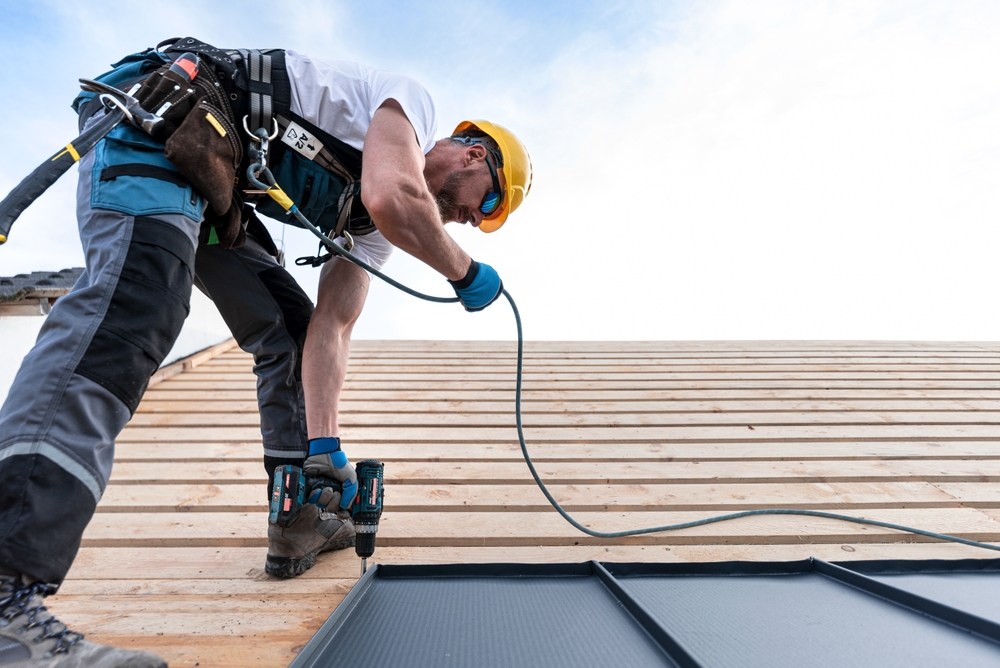
Common Mistakes to Avoid
The following typical mistakes lessen fall prevention devices’ efficacy:
- Installing anchors incorrectly
- Making use of broken equipment
- Unsuitable fit for the harness
- Ignoring regular checks
Preventing these errors guarantees reliable protection and safer workplaces.
Read more: Why Professional Storm Damage Roof Repair MN Is Essential After Every Minnesota Storm
Future Trends in Roofing Safety
Fall protection equipment keeps getting better because to design and material advancements. Safety systems are becoming more dependable and user-friendly because to lightweight materials, improved comfort features, and clever anchoring solutions.
More contractors are implementing advanced technologies as routine practice rather than as optional equipment as safety awareness rises.
Final Thoughts on Roofing Fall Protection
There will always be hazards associated with roofing, but with the right preparation and tools, those risks can be greatly decreased. One of the most crucial equipment for worker safety at heights is a roof harness. It provides a dependable safety solution for both residential and commercial roofing jobs when paired with a well placed roof system.
Both homeowners and contractors can encourage safer working conditions and minimize preventable accidents by being aware of components, applications, and best practices. Investing in fall protection is important for both long-term project performance and life safety, not just compliance.