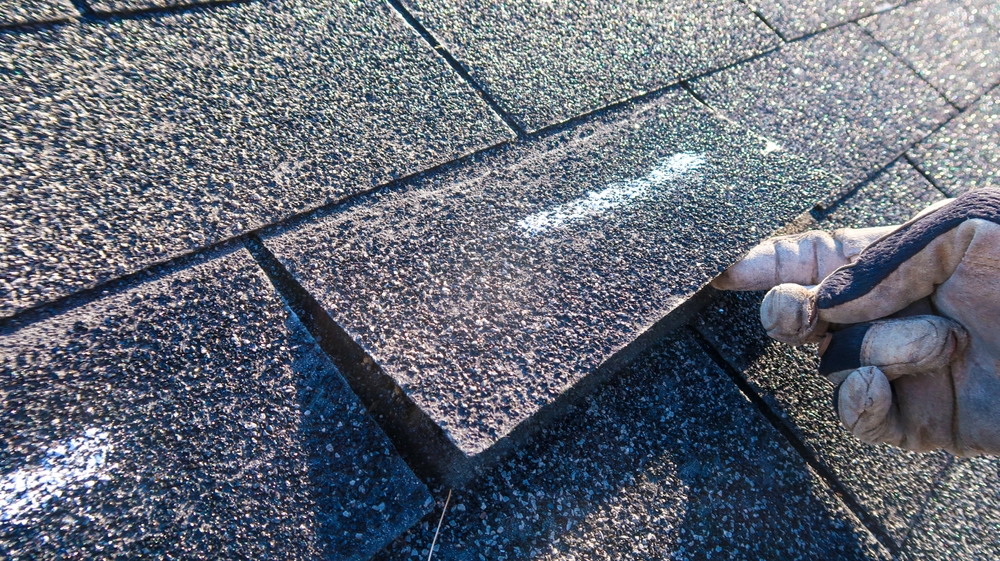
Roof With Hail Damage: Signs, Repair Costs, and Insurance Claims in Minnesota
Hail can wreck a roof without leaving much you can see from the driveway. A few weeks later, you’ve got […]


Hail can wreck a roof without leaving much you can see from the driveway. A few weeks later, you’ve got […]
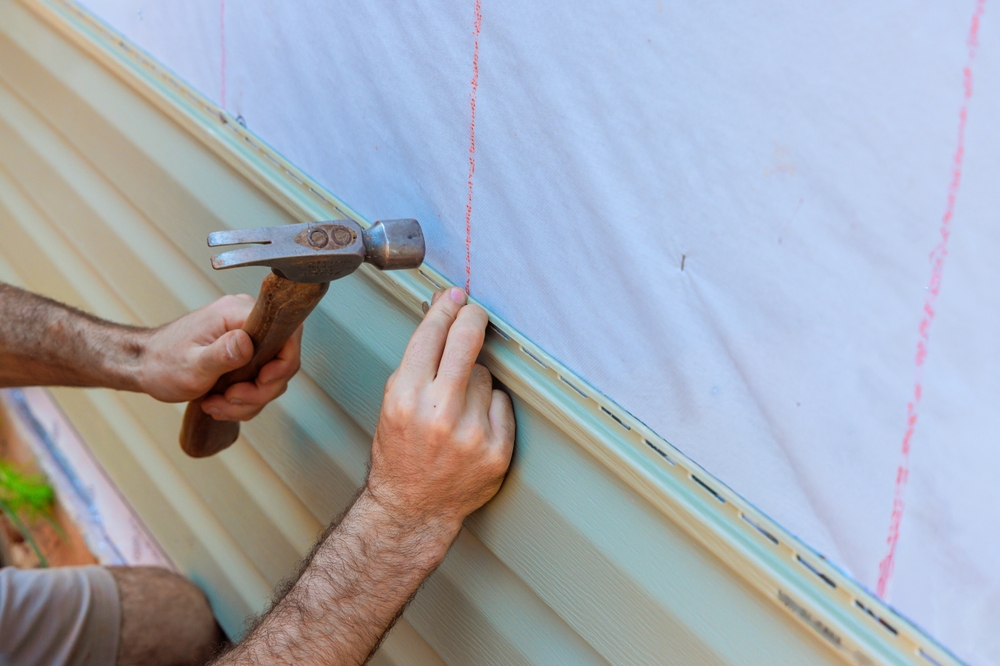
TL;DR Vinyl siding installation runs $4 to $12 per square foot, or roughly $8,000 to $25,000 for a typical Minnesota
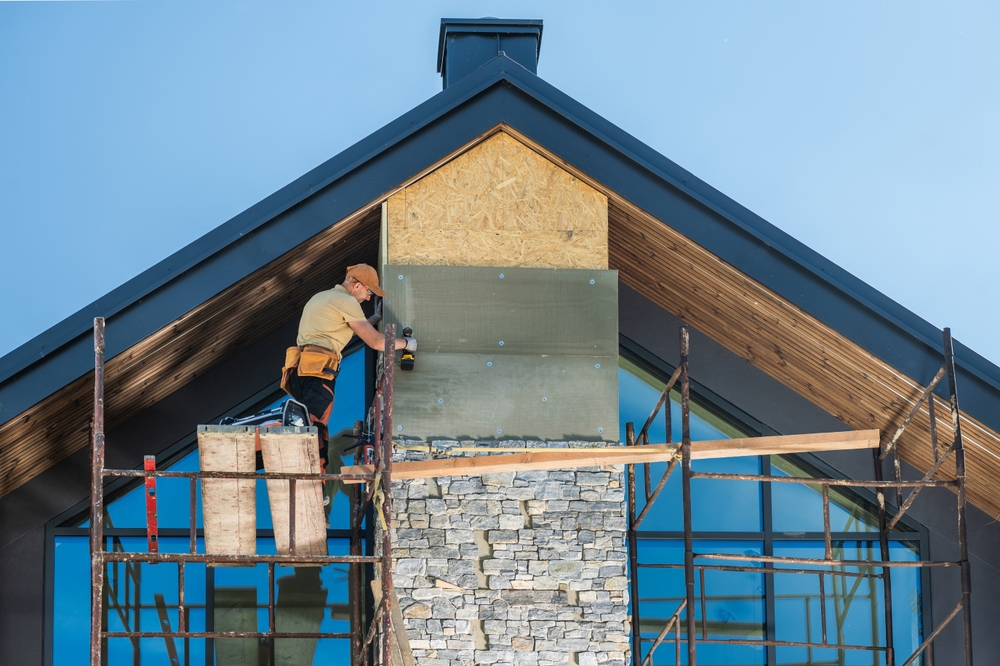
Minnesota doesn’t do mild weather. Between bitter winters, humid summers, and the kind of spring storms that roll through the
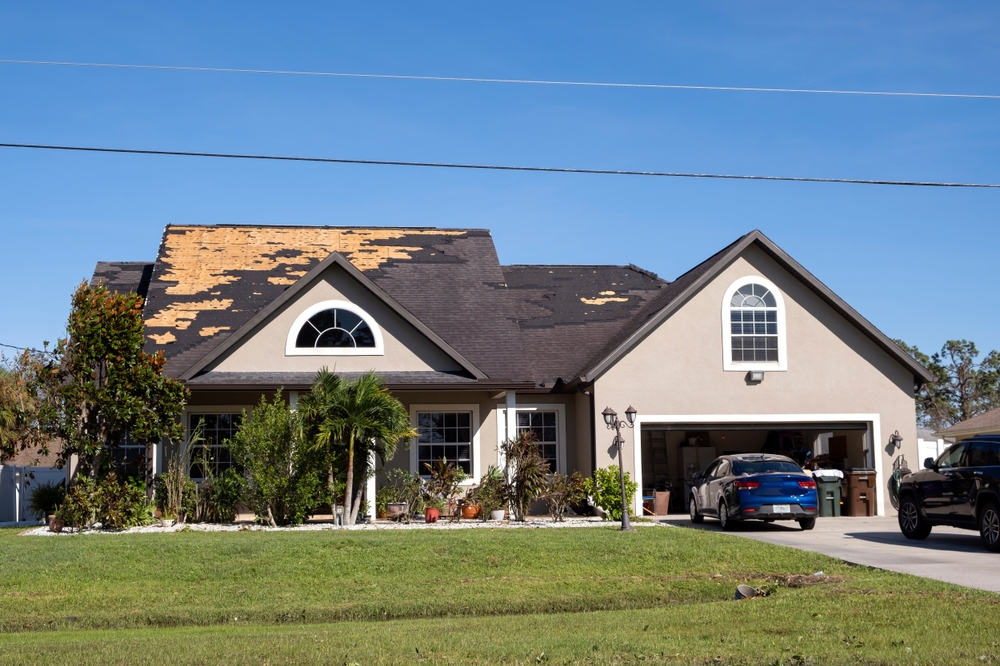
Minnesota homeowners know how unpredictable the weather can be. Severe weather can damage roofs, from hailstorms and heavy snowfall to

Minnesota is rough on roofs. Between the snow, the hail, and the freeze-thaw cycle that repeats every spring and
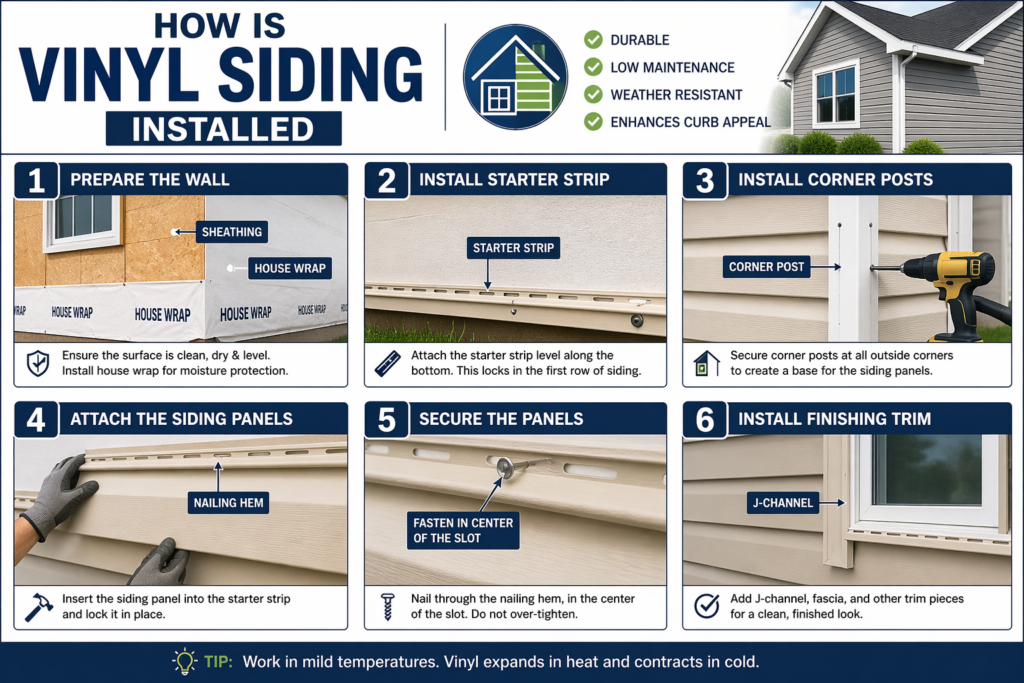
Learn how is vinyl siding installed with this clear, step-by-step guide designed for homeowners. Discover the tools, preparation methods, and installation techniques professionals use to ensure durability and a clean finish. Whether you’re planning a DIY project or hiring experts, this guide covers everything you need to know for a successful vinyl siding installation and long-lasting exterior performance.

How much should you really pay for a roof inspection? This detailed guide covers roof inspection cost, pricing breakdowns, and when inspections are worth it. Learn whether insurance covers inspections, how much buyers should expect to pay, and if free inspections are trustworthy. Protect your home with smart decisions and avoid major repair bills through timely roof evaluations.

The cost to replace vinyl siding varies depending on the size of the home, material quality, and labor rates in your area. On average, homeowners can expect to pay between $5,000 and $15,000 for a full replacement. Higher-end vinyl options and insulation upgrades can increase the total price. Additional factors like removing old siding, repairs to underlying structures, and trim work may also affect the final cost, making it important to get detailed estimates beforehand.

A vinyl siding cleaner is designed to remove dirt, mold, mildew, and stains without damaging the surface. Most cleaners are available in spray or concentrate form and can be applied using a garden hose or pressure washer. Common ingredients include mild detergents and bleach solutions to break down grime effectively. Regular cleaning helps maintain the siding’s appearance and longevity. Always follow manufacturer instructions and test a small area first to ensure the cleaner does not discolor or harm the vinyl surface.
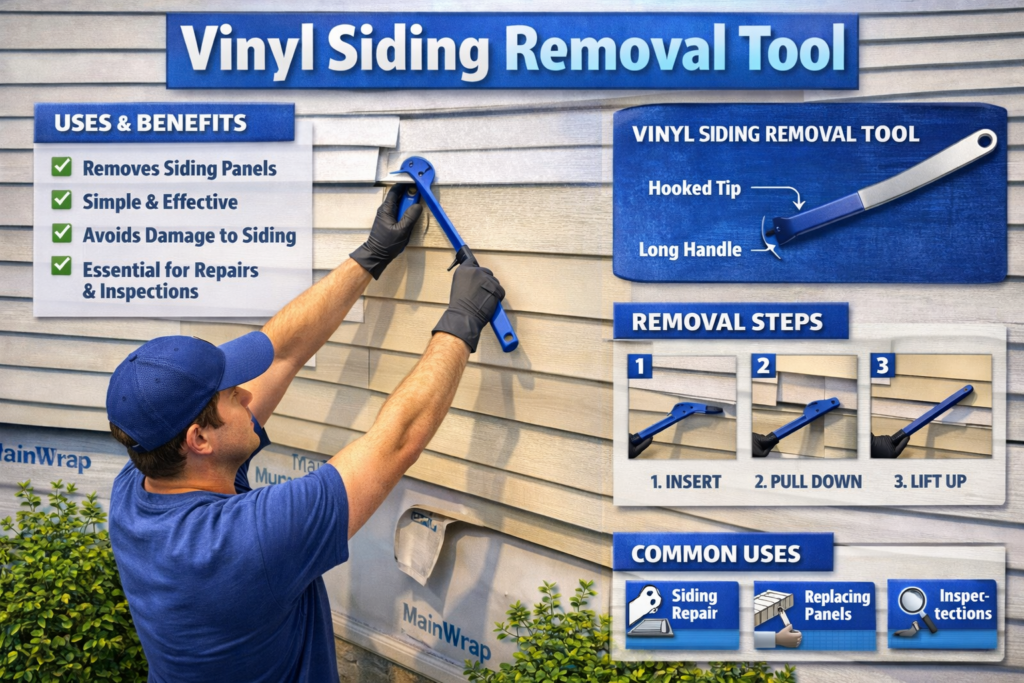
A vinyl siding removal tool is designed to make the process of detaching siding panels quick and damage-free. Its slim, curved tip easily hooks under the panel edges, allowing users to unlock and separate sections without cracking or bending them. Ideal for repairs or replacements, this tool improves efficiency and reduces effort. Durable and easy to handle, it is a practical addition for both professionals and DIY enthusiasts working on exterior home projects.